The retail sector is going through a period of deep transformation. The physical and digital worlds are merging like never before, and sustainability continues to strengthen as a strategic axis. Technological innovation opens up and drives new ways of connecting with the contemporary consumer. In this article, we explore the retail trends of 2026 that will redefine store design, the shopping experience, and the role of technology in commercial spaces.
Why 2026 Will Be a Turning Point for Retail
In recent years, the retail sector has undergone multiple transformations. All signs point to 2026 being a key year for the industry. The integration of new channels, the importance of brand experience, and new consumer expectations have transformed the role of physical stores.
In this sense, commercial spaces must reinvent themselves to remain relevant. The retail trends of 2025 propose new ways of selling, redefine how we shop, why we choose a brand, and where the shopping experience is built.
AI and Advanced Personalization
Artificial intelligence (AI) is becoming a key driver of retail innovation in 2026. Its role goes beyond automating processes. AI allows for anticipating needs, personalizing experiences, and optimizing operations in real-time.
With AI, the in-store experience can be elevated in the following ways:
- In-store recommendations based on data
- Product visualization with augmented reality
- Intelligent assistants guiding customers throughout their journey
Phygital and Immersive Experiences
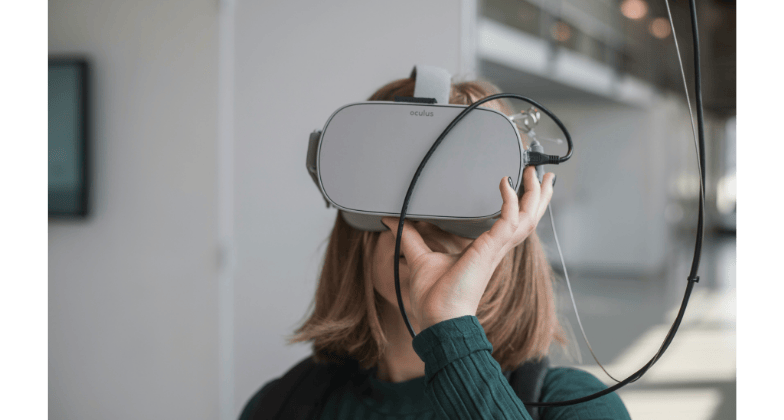
The stores of the future prioritize creating an immersive space where the potential customer is the protagonist.
Phygital technologies, which blend the physical and digital, will enable more interactive offerings. From placing smart mirrors to virtually try on products to applications that connect the online experience with the physical one in-store.
Automation and Operational Efficiency
Automation will play a leading role in retail trends in 2026. Both robots and automated systems are involved in tasks such as:
- Shelf replenishment
- Inventory management
- Dynamic price management
- Intelligent assistants in stores
- Automated payment systems
and much more. This way, staff can focus on interacting with customers and improving the shopping experience.
Retail Store Design: Spaces that Tell Stories
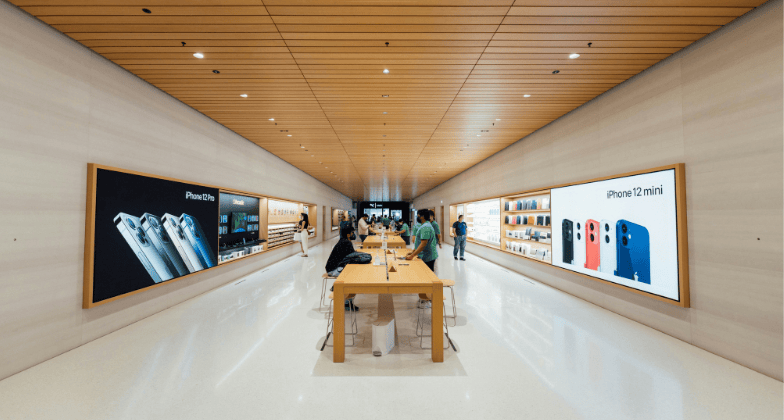
Physical store design is constantly changing. In 2026, retail store design will no longer focus solely on the product but on the experience and connection with the customer.
Modularity and Flexibility
Adapting is vital, especially today. Therefore, stores designed with modular elements, mobile shelves, and functional spaces are a great option. These allow brands to respond quickly to seasons, trends, or even special collaborations.
Community Areas and Events
Among the main retail trends of 2026 is design focused on creating community. Stores no longer just sell; they also function as meeting points. A physical store can host spaces for:
- Workshops of all kinds
- Product presentations
- Cultural events
- Exclusive brand activities
Storytelling and Branding
Visual storytelling is another key axis in retail store design. Each space becomes an opportunity to tell a story aligned with the brand’s values. These spaces have the ability to attract and emotionally engage visitors, while also reinforcing brand identity.
Sustainability: A Standard, Not an Extra
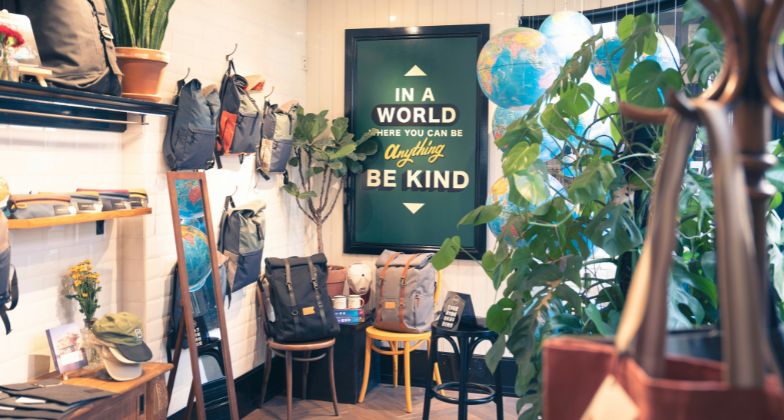
Sustainability has become a key differentiator and an expectation from consumers. In retail trends for 2025, sustainability runs through every design decision.
Regenerative Materials
Retail store design uses recycled or reusable materials to reduce environmental impact. This not only reinforces the narrative of responsibility but also connects with the conscious consumer.
In this way, the brand connects with the values of this modern consumer while optimizing long-term costs.
Circular Economy
Using models such as resale, repair, and recycling of products within stores is a great option. These practices lead to new, more sustainable shopping experiences, extending the life cycle of products and reinforcing a responsible culture.
Total Transparency
Consumers in 2026 expect radical transparency about the impact of their purchases. From the materials to the carbon footprint of transportation. Brands that integrate this information into their stores or communication channels will generate trust and loyalty.
Inspiring Experiences as Global Retail Trends for 2026
Stores as Community Hubs
Brands from all over the world are already transforming their stores into experience hubs where the consumer is the protagonist.
Pop-ups and Temporary Experiences
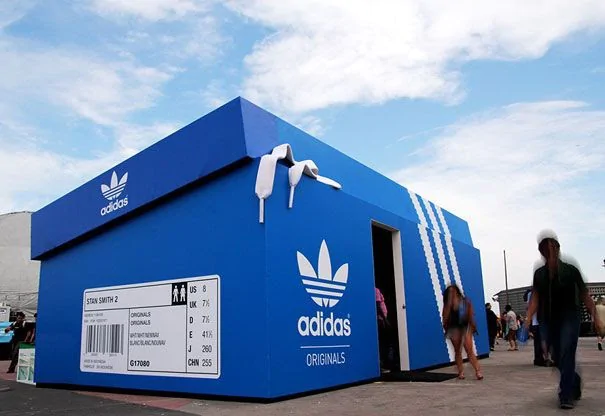
Temporary spaces, like for example, nomadic retail design, allow brands to experiment without long-term commitments. These types of activations help test markets, trends, and generate social content. That’s why these types of stores align with retail innovation in 2026 and offer more flexibility in retail store design.
Examples of Technological Integration
The use of augmented reality, artificial intelligence, and click-and-collect systems will be a great option to elevate customer expectations within the physical store.
These types of technologies make shopping faster, more convenient, and personalized, strengthening the relationship between brand and consumer.
How to Apply Retail Trends 2026 to Your Project
Retail trends for 2026 offer multiple opportunities for any brand or commercial space looking to evolve and stand out. Below, we share some keys to effectively translate these trends into the design and development of retail spaces.
1. Integrate Data to Design Better Experiences
Use consumer behavior data to understand how customers interact with your space and products. This will allow you to make more informed design decisions.
2. Bet on Modularity
Flexible spaces offer more flexibility and adaptability. They will allow you to adjust the design for seasonal campaigns or new proposals without large investments.
3. Introduce Sustainability from the Ground Up
Make sustainability not just an added value, but part of your brand and physical store’s DNA.
4. Include Technology as a Facilitator, Not Decoration
Use technology to enhance the shopping experience. Simple and useful tools, such as AI for recommendations or AR for trying on products, create a greater impact.
Retail Trends 2026: Key to Leading the Future of Retail
Retail trends in 2026 not only change how we sell but how we experience retail. Innovation, design, and sustainability are redefining the role of physical stores. Commercial spaces are no longer just points of sale. They transform into immersive environments, aligned with the expectations of the modern consumer.
The key to successfully applying these trends is to think of retail as a dynamic ecosystem. A place that integrates technology, community, sustainability, and sensory experience.
If you’re looking to design a retail store aligned with the retail trends of 2026 and stand out from the competition, RC Projects can help. We guide you through every stage of the project, from strategy to execution, creating unique, functional, and purposeful commercial spaces. With more than 28 years of experience, we transform design into a real tool to boost your brand and enhance your customers’ experience.